If you’ve lived in Central Indiana for more than a year, you’ve experienced the stretch of warm, sunny days in late winter that trick you into thinking spring has arrived, only to be followed by a sudden freeze.
This weather pattern, known as a false spring, can be tough on your lawn. Rapid warm-ups trigger early growth, only for a cold snap to shock tender grass. Understanding how to respond can help prevent long-term damage and support faster spring lawn recovery.
What is a false spring?
A false spring happens when temperatures rise well above average in late winter or very early spring. Warm soil and air temperatures signal grass to break dormancy and begin growing.
Then, just as quickly, temperatures drop again, sometimes below freezing. This freeze-thaw cycle can stress turf that has already started pushing new growth and weaken roots. These temperature swings are common in the Indianapolis area, and can result in weak, patchy yardscapes.
Why false springs stress your lawn
Cool-season grasses common in Indiana are resilient, but early green-up followed by freezing temperatures can cause:
- Frost lawn damage to tender new blades
- Root stress from fluctuating soil temperatures
- Slowed nutrient uptake
- Increased vulnerability to disease
The biggest risk occurs when grass has started actively growing and is exposed to a sudden hard freeze or moisture. Since you can’t lend your yard an umbrella, you’ll need to be proactive about protection and preparation for your lawn.
Protecting new grass growth during a cold snap
If your lawn has started greening up early, it’s important to be cautious during any incoming freeze.
Avoid heavy trafficFrozen grass blades are brittle. Walking on frost-covered turf can cause breakage and long-term thinning. During a cold snap, limit foot traffic until the lawn has fully thawed.
Hold off on early fertilizationOne of the most common mistakes during a false spring in Indiana is feeding the lawn too early. Fertilizer encourages additional top growth, which becomes vulnerable if temperatures suddenly drop again.
Wait until consistent soil warming occurs before applying spring treatments.
Don’t mow too earlyIf growth appears during a warm spell, resist the urge to mow immediately. Cutting too early can stress grass that may soon face freezing conditions.
How frost damages lawns
When frost forms, ice crystals develop within plant tissue. If grass has broken dormancy, those cells are more susceptible to rupture. Reoccurring frost causes issues for landowners:
- Discolored or water-soaked patches
- Temporary wilting
- Thinning areas
In most cases, lawns recover naturally once consistent warmer temperatures return. However, repeated spring weather swings can delay full recovery.
Smart cold snap lawn care strategies
Managing lawn care during a cold snap is all about consistency. Continue to monitor your yard and avoid over-reacting. Aggressive raking, premature fertilization, and mowing too soon will result in poor soil quality, patchy growth, and runoff.
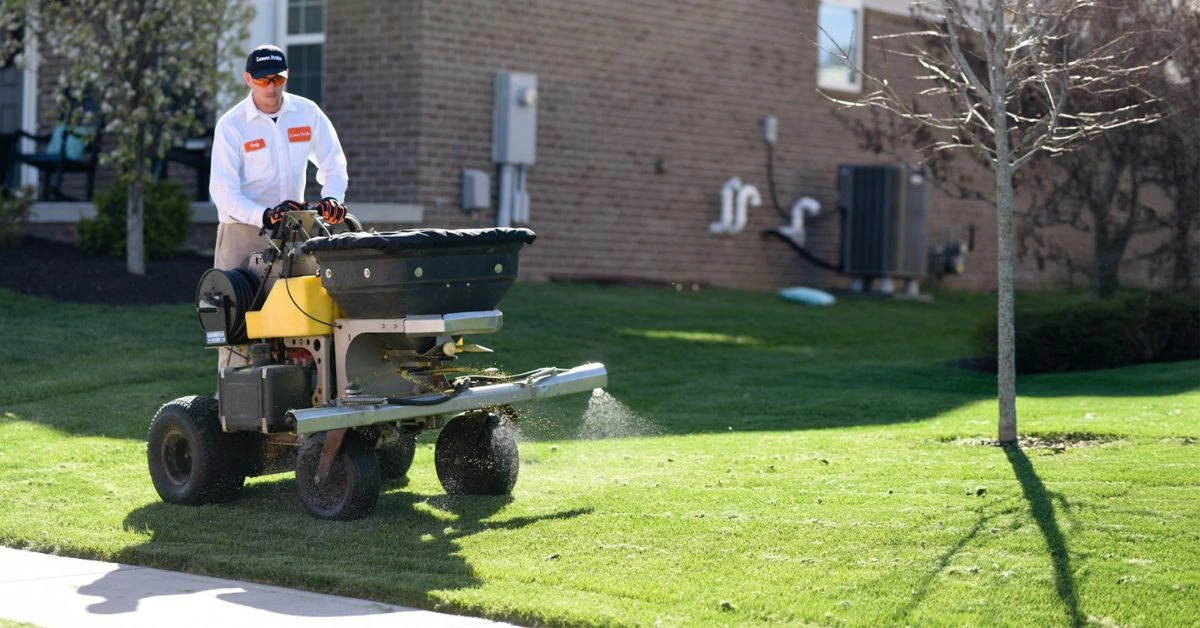
Don’t be fooled by a false spring! Always wait for at least a full week of spring weather before you start doing any major lawn work, and rely on professionals for services like aeration, fertilizer, and pest control. When applied incorrectly, these chemicals can destroy root systems and ruin your lawn.
What to expect after a false spring
If your lawn experiences frost exposure, you may notice uneven green-up once temperatures stabilize. Some areas may recover quickly, while others lag behind. This is normal. Cool-season grass typically rebounds with consistent warmth, proper fertilization timing, and steady moisture levels.
The key is supporting healthy root systems and not overcorrecting with excessive treatments.
Indianapolis spring lawn tips for unpredictable weatherBecause Indiana weather can change quickly, a structured approach to lawn care makes all the difference.
Professional monitoring helps ensure that fertilization aligns with true seasonal transition and that pre-emergent timing matches soil temperature trends. Turf is strengthened gradually, not overnight, so it’s important that your lawn care services focus on natural, safe recovery methods.
At Lawn Pride of Indianapolis, we understand how volatile early spring conditions can be and time our lawn care programs according to real soil and weather conditions.
Stay patient during Indiana’s unpredictable springA false spring in Indiana can be frustrating, especially when your lawn teases early green growth. But reacting too quickly often causes more harm than the weather itself. The best defense against spring weather swings is patience, proper timing, and a structured lawn care program.
Healthy lawns are remarkably resilient. With proper care, most turf rebounds fully after temporary frost damage. If you’re unsure how to handle cold snap lawn care or want help navigating unpredictable spring conditions, Lawn Pride of Indianapolis is here to guide you.
Request your free quote today and let’s protect your lawn through every Indiana season.