

Your lawn can tell you when something is wrong. The problem is that it does not always make it obvious.
In South Charlotte, one of the biggest issues we see is compacted soil. Between our clay-heavy Piedmont soils, foot traffic, mowing, construction activity, and hot summer weather, soil can become hard and difficult for grass roots to work through. Clay soils are particularly prone to compaction, which can restrict water movement and root growth.
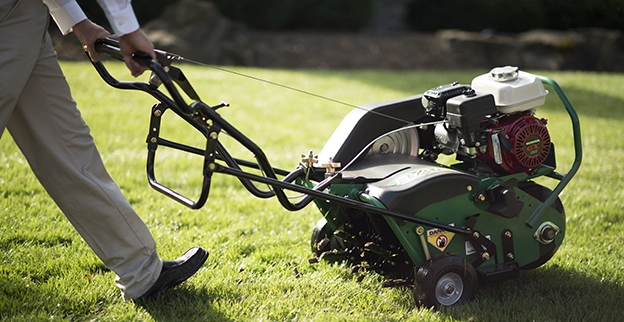
That is where lawn aeration can be extremely helpful. Core aeration removes small plugs of soil from the lawn, opening up space for air, water, and nutrients to reach the root zone. But how do you know when your lawn actually needs it?
Here are five signs to look for around your South Charlotte home.
Full-Width text
Your Soil Feels Hard
Take a walk across your lawn after it has dried out. Does the ground feel hard under your feet? Try pushing a screwdriver into the soil. If it is difficult to get through the surface, your soil may be compacted.
Compacted soil has fewer spaces for air and water to move through. Grass roots need both, so when the soil becomes dense, your lawn can struggle even when you are watering and fertilizing regularly.
This is especially common in areas that see a lot of activity, such as side yards, play areas, paths between the driveway and backyard, and lawns around newer homes where construction may have compacted the soil.
Your Grass Is Getting Thinner
A lawn does not have to be completely bare to have a soil problem. You may notice that your grass looks thinner than it used to. The color may not be as consistent, and the lawn may have a harder time filling itself back in after heat, foot traffic, or other stress.
Compaction can restrict root growth and contribute to weaker, thinner turf. Aeration helps create openings in the soil so roots have better access to the air, water, and nutrients they need. Look closely at the areas where your lawn gets the most use. Those spots can tell you a lot about what is happening below the surface.
Water Is Sitting On Your Lawn
After a heavy Charlotte rain, does water sit in certain areas of your yard? Some drainage problems are caused by grading and should be addressed separately. But compacted soil can also slow water movement and increase runoff. Clay soils already move water more slowly, and compaction can make the problem worse.
You might notice puddles, water running across the lawn instead of soaking in, or areas that stay wet long after the rest of the yard has dried. Aeration can improve the movement of air and water through compacted soil, making it easier for moisture to reach the root zone instead of simply running off the surface.
Bare Spots Keep Coming Back
You repair a bare spot. Grass comes in. Then a few months later, it is thin again. Sound familiar?
Before repeatedly throwing more seed at the problem, take a look at the soil underneath it. Compaction, heavy traffic, poor water movement, and other site conditions can make it difficult for new grass to establish.
This is one reason aeration is often paired with overseeding. Opening the soil creates better contact between seed, soil, air, and moisture.
For homeowners planning fall overseeding, addressing compaction first can be an important part of getting better establishment.
Weeds Are Starting To Take Over
When healthy turf becomes thin, weeds have more room to move in. NC State
Extension points out that soil compaction can result in weaker, thinner turf and more weeds.
That does not mean aeration alone will eliminate your weed problem. Weed control requires the right strategy for the weeds present and the type of turf you have.
But a dense, healthy lawn is one of your best defenses. Improving soil conditions can help your grass compete more effectively for the resources it needs.
Why Aeration Matters in South Charlotte
Our local conditions make soil management especially important. Much of the Piedmont region has soils with significant clay content. Clay soils can be difficult to work with and are naturally more susceptible to compaction. Construction and everyday traffic can add to the problem.
When soil becomes compacted, your lawn may look like it has a grass problem when the real issue is happening underneath the grass. That is why we look beyond what you can see.
Does Your Lawn Need Aeration?
You do not need to wait until your lawn is struggling to start paying attention to the soil. Walk your property. Look for hard ground, thinning grass, recurring bare areas, puddling, and increasing weeds. If several of those signs sound familiar, it may be time to consider lawn aeration.
For many homeowners, fall is also an important season for planning lawn renovation and overseeding, particularly for cool-season turf. NC State Extension recommends fall aeration for cool-season grasses and notes that lawns growing on clay soils or receiving heavy traffic may benefit from aeration.
A healthier lawn starts below the surface. Lawn Pride of South Charlotte can evaluate your lawn and help determine whether aeration makes sense for your property. The goal is not simply to aerate because it is on a checklist. It is to understand what your lawn needs and build a plan around it.
Let’s Put Together Your Lawn Care Plan
If those five signs sound familiar, this could be the right time to get your lawn checked out before another season puts more stress on it.
Lawn Pride of South Charlotte proudly serves homeowners throughout South Charlotte with customized lawn care designed for local conditions.