
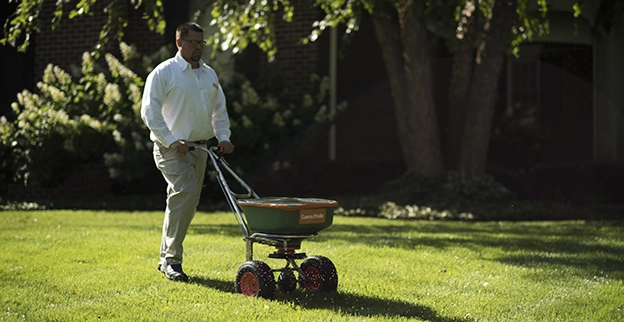
If you’ve already checked fall aeration and fertilizer off your lawn care list, there’s one more important step before winter settles in. Winter fertilizer.
In South Charlotte, late fall is an important window for feeding your lawn. The grass may not be growing as quickly above ground, but that doesn’t mean the work stops below the surface. Your grass is still storing energy and building the root strength it will need to handle winter and come back strong in spring.
That’s why winter fertilizer treatment plays such an important role in a healthy lawn.
What Is Winter Fertilizer?
Winter fertilizer is a nutrient treatment applied during late fall to help your grass prepare for the colder months ahead. The goal isn’t to force rapid blade growth. In fact, that’s the last thing you want as temperatures drop.
Instead, a properly timed winter fertilizer application gives the grass nutrients when it can put them to better use below ground. Stronger roots help your lawn handle cold temperatures, recover from seasonal stress and get ready for spring growth.
For homeowners, the benefit becomes obvious when spring arrives. A lawn with healthy roots is better positioned to green up and fill in when temperatures rise.
When Should You Apply Winter Fertilizer?
For lawns in South Charlotte, the ideal window for a winter fertilizer treatment generally falls between late October and early December.
Timing Matters
Apply it too early, and warmer temperatures can encourage more top growth than you want. Apply it too late, and the grass may not have enough time to take advantage of the nutrients before winter conditions slow its activity.
Late fall fertilization works because grass responds differently as temperatures change. As the air cools, blade growth begins to slow. But the soil can remain warm enough for the roots to stay active. That creates an opportunity to feed the root system without pushing excessive top growth.
It’s a small window, but it can have a big impact.
What Happens to Your Grass During Winter?
Your lawn doesn’t simply shut down when winter arrives. Cool-season grasses and warm-season grasses respond differently to winter, but both can experience a period of reduced growth and activity. Here in South Charlotte, lawn care also depends heavily on the type of grass you have.
As temperatures fall, your grass uses less energy for producing new blades. Instead, it shifts its priorities toward surviving unfavorable conditions and maintaining the root system. That’s where winter fertilizer comes in. The nutrients available in the soil can support the grass as it prepares for colder weather. A well-fed lawn enters winter with more resources available to handle stress. Think of it as preparation rather than quick growth.
You’re not trying to make the lawn look dramatically different in November. You’re helping set it up for what comes next.
Winter Fertilizer Helps Build Strong Roots
Healthy grass starts below the surface. A lawn can look green and healthy while still having a weak or shallow root system. When environmental stress hits, those lawns often have a harder time recovering. Strong roots give grass access to water and nutrients in the soil. They also give the plant a better foundation for new growth when conditions improve. This is one reason late fall fertilization matters.
When temperatures are right, the grass can continue developing its root system even as visible blade growth slows. Providing the nutrients it needs during this period can support that process and when spring arrives, the lawn already has a stronger foundation to work from.
Fast-Release vs. Slow-Release Nitrogen
Not all fertilizer works the same way. The nitrogen source and release rate both matter when planning a winter fertilizer treatment.
Fast-release nitrogen becomes available to the grass quickly. It can provide a noticeable response in a shorter period, which can be useful when the lawn needs readily available nutrients but too much fast-release nitrogen at the wrong time can encourage unnecessary top growth. That’s not ideal heading into colder weather. Slow-release nitrogen works differently. It releases nutrients gradually over time, giving the lawn a more controlled supply of nitrogen.
A professional lawn care program may use different nitrogen sources based on the grass type, soil conditions, weather and time of year. There isn’t one fertilizer recipe that works perfectly for every lawn. That’s important because South Charlotte lawns can vary significantly from one property to the next. Grass type, soil, shade, drainage and previous treatments all affect what your lawn actually needs.
How Winter Fertilizer Brings Healthy Spring Grass
One of the biggest reasons homeowners notice the value of winter fertilizer comes several months later…Green grass in spring!
When temperatures begin to rise, your lawn starts shifting back into active growth. Grass with a healthy root system and adequate nutrients has a better foundation for that transition.
Winter fertilizer doesn’t magically make a lawn green overnight. Instead, it supports the work happening during late fall and winter so your grass is better prepared when spring conditions arrive. That can mean a quicker, healthier start to the growing season. And that’s really the point of winter lawn care. You’re not just treating what you see today. You’re preparing the lawn for what comes next.
Winter Lawn Care Starts Before Winter
A strong winter lawn care program doesn’t begin with a single fertilizer application. It starts earlier in the season.
Fall aeration, for example, can help relieve soil compaction and improve the movement of water, air, and nutrients into the root zone. If your lawn needs aeration, you can learn more about fall lawn aeration services before moving into the winter treatment window. Once the lawn has been properly prepared, winter fertilizer can provide another important layer of support.
The treatments work together. Aeration helps improve the soil environment. Fertilizer supplies nutrients. Proper mowing, watering, and weed control help keep the lawn in good shape as the seasons Change.
Good lawn care is rarely about one treatment. It’s about timing the right treatments throughout the year.
Professional Winter Fertilizer Treatment
Winter fertilizer application is job best left to the pros. Applying too much can cause problems. Applying too little may not provide the results you’re looking for. Choosing the wrong product or applying it at the wrong time can also work against the health of your Lawn.
Lawn Pride of South Charlotte considers factors such as grass type, soil conditions, weather patterns, and the lawn’s overall condition before determining how and when to apply a treatment.
Fertilizer needs to be distributed evenly across the lawn. Uneven application can leave some areas underfed while creating the risk of excessive fertilizer in others. A professional application takes the guesswork out of the process and helps ensure the treatment is used appropriately for your lawn. That matters even more when you’re working within a narrow seasonal window.
Winter Lawn Care in South Charlotte
South Charlotte homeowners deal with a unique mix of seasonal conditions. Our winters may not look like winters farther north, but lawns still experience cooler temperatures, changing moisture levels and periods of reduced growth.
That makes timing especially important. A winter fertilizer treatment applied at the right point in the season can help your lawn enter winter in better condition and support healthier growth when spring returns. If you’ve already invested in fall lawn care, don’t overlook this final step.
The lawn you want in March and April starts with the work you do months earlier.
Give Your Lawn a Strong Start to Spring
A great-looking spring lawn doesn’t happen by accident. It’s something that you maintain all year. Winter fertilizer gives your lawn nutrients when they can support root development and help prepare the grass for the months ahead. Combined with the right fall lawn care practices, it can be an important part of keeping your lawn healthy throughout the year.
If you’re looking for lawn care in South Charlotte, Lawn Pride of South Charlotte can help determine what your lawn needs and when it needs it. Our winter fertilizer treatments are designed around the needs of your lawn, so you can head into winter knowing you’ve given your grass the care it needs to come back strong.